Masters of the Mask: Exploring the Artistic Traditions and Historical Kingdoms of the Teke People of the Republic of Congo
By Kwadwo Afrifa – May 23, 2025 13:15am
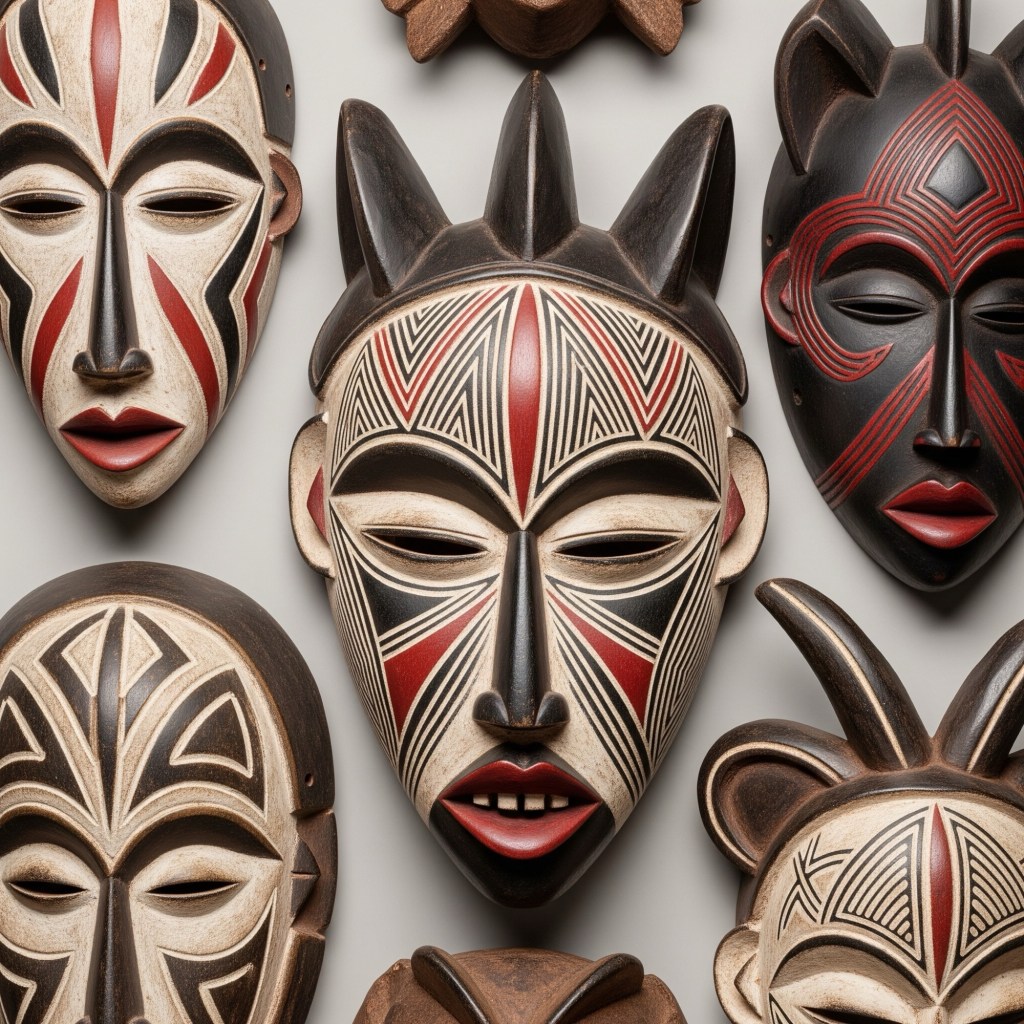
Our expansive journey through Africa’s diverse cultures now takes us across the Congo River, from the Democratic Republic of Congo to the Republic of Congo, where we encounter the Teke people. Renowned for their intricate artistic traditions, particularly their distinctive masks and power figures, their historical kingdoms, and their unique social customs, the Teke offer a fascinating insight into the cultural landscape of Central Africa, particularly the region around the Congo River.
The Teke are comprised of various subgroups, each with its own specific dialect and local traditions, yet united by a common language (Kiteke) and shared cultural elements. Historically, they organized themselves into numerous small kingdoms or chieftaincies, notably the Anziku Kingdom, which at times wielded significant influence over trade routes along the Congo River (Vansina, 1966). This history of independent political units and trade has shaped their social structures and cultural expressions.
Art as Ritual Power: The Striking Teke Masks and Figures
The Teke are celebrated for their distinctive artistic traditions, which are deeply intertwined with their spiritual beliefs and social practices. Their most iconic creations include:
* Teke Masks: These circular or rectangular masks, often painted with bold geometric patterns in black, white, and red pigments, are striking for their abstract forms and often feature horizontal bands or radiating lines. They are used in ceremonies by secret societies, such as the Kidumu society, to communicate with ancestral spirits, maintain social order, and celebrate important events. The masks are believed to embody the spirits they represent, becoming powerful conduits in ritual performances (Neyt & de Surmont, 2005). Imagine the hypnotic effect of these geometrically painted masks, swaying rhythmically during a nocturnal ceremony.
* Power Figures (Buti or Pfemba): Teke power figures are carved wooden sculptures, often embellished with magical substances or ritual paraphernalia, designed to protect individuals or communities, ensure fertility, or heal ailments. These figures are animated through specific rituals and are believed to contain powerful spiritual forces (nkisi) that can be activated for various purposes. They are tangible manifestations of the Teke spiritual worldview (MacGaffey, 1991).
Trade and Social Organization:
Historically, the Teke played a crucial role in trade networks, particularly controlling trade routes along the Congo River, which gave them significant economic and political leverage. This commercial activity influenced their social organization, with chieftaincies often emerging around key trade centers. Traditional Teke society is generally organized around lineages and clan affiliations, with elders and chiefs holding authority and overseeing communal affairs.
Ancestral Veneration and Spiritual Beliefs:
Like many Central African cultures, ancestral veneration is central to Teke spiritual beliefs. Ancestors are believed to continue influencing the lives of the living and are honored through rituals, offerings, and the use of specific art objects. Belief in a supreme creator and various nature spirits also plays a role in their cosmology. Ritual specialists and diviners mediate between the human and spiritual realms, providing guidance and addressing community concerns.
Music and Dance: Rhythms of Life and Ceremony:
Music and dance are integral to Teke cultural life, accompanying ceremonies, celebrations, and social gatherings. The rhythmic beats of drums, the melodies of stringed instruments, and the expressive movements of dancers all contribute to their rich cultural tapestry. These performances serve to reinforce social bonds, express emotions, and connect with the spiritual world.
Enduring Traditions in a Modern State:
Despite the pressures of colonialism and modernization, the Teke people have largely maintained their distinct cultural identity and many traditional practices. Their language (Kiteke) remains widely spoken, and their artistic traditions continue to be practiced and celebrated, both locally and internationally. The challenges of contemporary life in the Republic of Congo mean that traditional customs adapt, but the core of Teke heritage remains resilient.
The Teke people, with their powerful Buti figures and striking masks that embody spiritual forces, their historical role in trade, and their enduring social structures, offer a compelling example of a Central African culture where art and spiritual belief are inextricably linked to social cohesion and power. Their story is a testament to the richness and depth of cultural expression in the Congo Basin.
Our next journey will take us across the continent to Côte d’Ivoire, where we will explore the intricate social structures and goldworking traditions of the Akan people, including subgroups like the Baoulé.
References:
* MacGaffey, W. (1991). Art and Healing of the Bakongo Commented Upon by Themselves: Minkisi from the Laman Collection. Indiana University Press. (While primarily on Kongo, provides valuable context for the broader nkisi concept prevalent in the region, including Teke buti.)
* Neyt, F., & de Surmont, A. (2005). Teke: Visions of Africa. 5 Continents Editions.
* Vansina, J. (1966). Kingdoms of the Savanna: A History of Central African States Until European Colonial Rule. University of Wisconsin Press. (Provides historical context for the Anziku Kingdom and Teke political structures.)


