Guardians of the Sacred Kingship: Exploring the Art and Legacy of the Luba People of the Democratic Republic of Congo
By Kwadwo Afrifa – May 22, 2025 08:00am
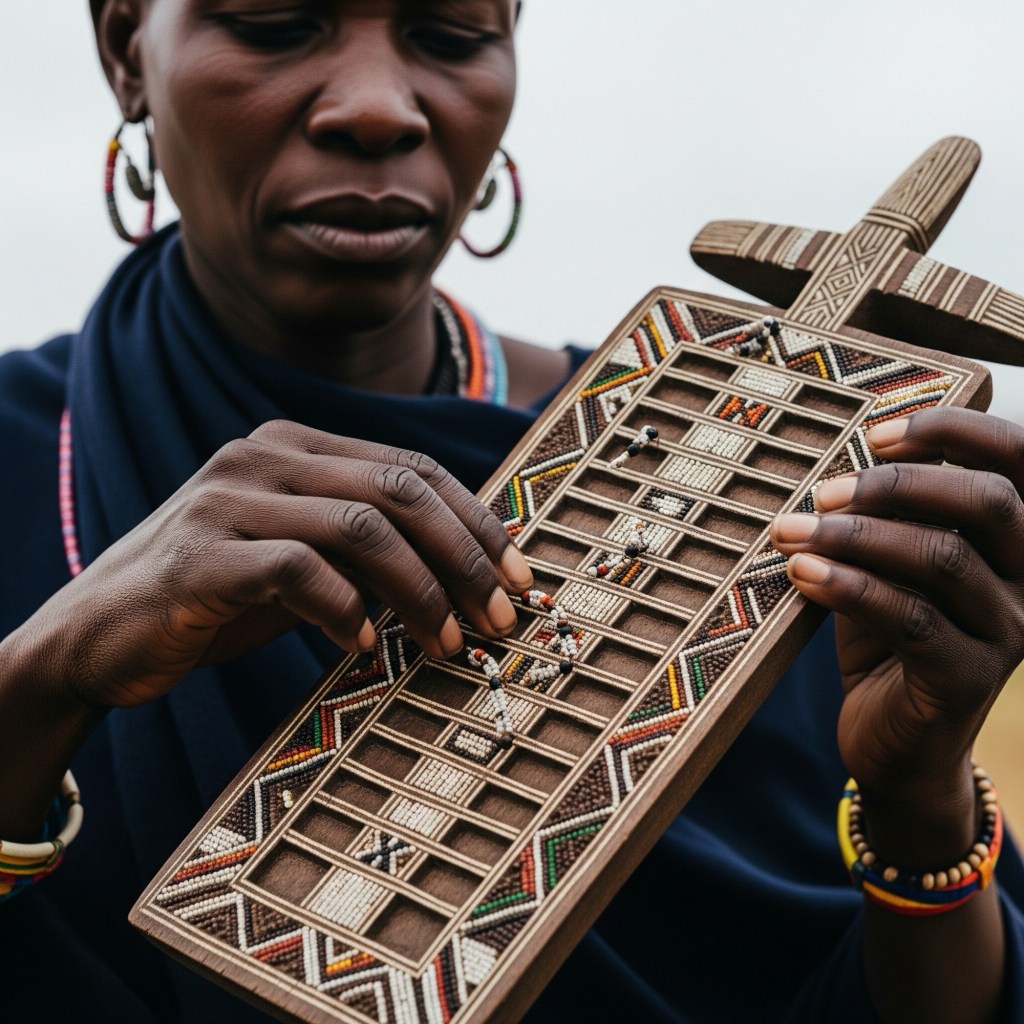
Our expansive journey through Africa’s diverse cultures now returns to the vast heartland of the Democratic Republic of Congo, where we turn our attention to the Luba people. Renowned for their historically powerful kingdoms, their exceptionally sophisticated art (particularly their wood carving), their complex social and political systems, and their rich oral traditions, the Luba offer a profound insight into the intricate relationship between power, memory, and artistic expression in Central Africa.
The Luba Kingdom, which emerged around the 16th century in the Upemba Depression, grew to become one of the largest and most influential pre-colonial states in the region. Its expansion was not only military but also driven by the skillful integration of conquered peoples into its political and ritual system. The Luba developed a highly centralized political structure, with the mulopwe (king) at its apex, whose authority was imbued with profound spiritual significance (Reefe, 1981).
Art as Embodied Memory: The Power of Luba Sculpture
The Luba are celebrated for their extraordinary wood carving, which is not merely decorative but serves as a vital mnemonic device and an embodiment of spiritual and political power. Luba art is characterized by its refined aesthetic, often featuring serene, elongated figures with intricate scarification patterns. Key artistic forms include:
* Memory Boards (Lukasa): Perhaps the most iconic Luba art form, these intricately carved wooden boards are covered with beads, shells, and pins. They serve as mnemonic devices, allowing trained oral historians (mbudye) to recount the history of the Luba kingdom, genealogies of kings, and important rituals (Roberts & Roberts, 1996). The Lukasa is a testament to the Luba’s sophisticated system of knowledge preservation.
* Royal Stools and Staffs: These objects are not just symbols of authority; they are believed to embody the spirit of the mulopwe and the ancestors. Their designs often incorporate female figures, symbolizing the female ancestors who traditionally held the secret knowledge of the kingdom (Neyt, 1994).
* Figure Sculptures: Ancestor figures and images associated with specific spirits are beautifully carved, often with serene expressions, embodying the spiritual world and serving as focal points for rituals.
Imagine a lukasa being held by an mbudye, their fingers tracing the beads and patterns, unlocking centuries of Luba history and philosophy.
The Role of Women and Sacred Kingship:
In Luba cosmology and political structure, women held significant ritual and political importance. The concept of sacred kingship was often linked to female spiritual power and ancestral lineages traced through women. Female figures frequently appear in Luba art, representing not only beauty but also the custodians of secret knowledge and the metaphorical “wives” of the kings, essential for the well-being of the kingdom (Roberts & Roberts, 1996).
Oral Traditions and Historical Preservation:
Beyond the lukasa, a rich tapestry of oral traditions ensures the transmission of Luba history, myths, proverbs, and philosophical thought. Epic narratives recount the exploits of Luba heroes and the founding of the kingdom, while proverbs offer moral guidance and insights into their worldview. These traditions are vital for maintaining cultural continuity and a shared sense of identity.
Ritual and Spirituality: A Connection to the Ancestors:
Luba spiritual beliefs are deeply intertwined with the veneration of ancestors and the belief in spiritual forces that govern the universe. Rituals play a crucial role in maintaining harmony between the living and the dead, ensuring fertility, prosperity, and the legitimacy of the rulers. Secret societies also contribute to the ritual life and social cohesion of the Luba.
Enduring Legacy in Modern DRC:
Despite the impact of colonialism and the turbulent history of the Democratic Republic of Congo, the Luba people have maintained a strong sense of cultural identity. Their traditional institutions, though adapted, continue to hold influence, and their remarkable artistic heritage is celebrated globally. Efforts to preserve Luba languages, oral traditions, and craftsmanship are ongoing, underscoring the resilience of this profound culture.
The Luba people, with their legacy of powerful kingdoms, their groundbreaking use of art as mnemonic devices, their sophisticated understanding of sacred kingship, and their rich oral traditions, offer a compelling and significant example of Central African cultural achievement. Their story is a testament to the enduring power of art to embody history, memory, and spiritual authority.
Our next article will bring us to the Republic of Congo, where we will explore the artistic traditions, particularly masks and sculptures, and historical kingdoms of the Teke people.
References:
* Neyt, F. (1994). Luba: Aux sources du Zaire. Paris: Fonds Mercator.
* Reefe, T. Q. (1981). The Rainbow and the Kings: A History of the Luba Empire to 1891. University of California Press.
* Roberts, M. N., & Roberts, A. F. (1996). Memory: Luba Art and the Making of History. The Museum for African Art.


